
Casual games dominate the Android gaming landscape. Puzzle apps, endless runners, and light strategy titles attract millions of downloads because they fit perfectly into everyday routines. Players open these games during short breaks, commute time, or relaxed moments at home.
Android devices support a huge range of hardware levels, which gives casual games an enormous potential audience. Developers design these titles to run smoothly on both high-end smartphones and entry-level devices.
The broader digital economy surrounding mobile gaming also plays a role. Many players use online payment tools when purchasing digital products across apps and gaming platforms. Some users even explore options like a Revolut gift card online while managing digital purchases connected to entertainment services, subscriptions, or gaming-related platforms.
These tools reflect how mobile gaming interacts with the larger digital marketplace. We’ve teamed up with Eneba to look at why casual games thrive in this environment because they combine accessibility with flexible engagement.
Quick Sessions
Mobile users rarely play long sessions compared to traditional console gaming. Instead, they interact with apps in short bursts throughout the day.
Casual games align perfectly with this pattern. A player can complete a puzzle, run a quick level, or solve a challenge within minutes.
This design encourages frequent engagement. Players return multiple times per day without needing to commit to long gameplay sessions.
Developers intentionally structure levels around short completion times. The result feels convenient and satisfying for players with busy schedules.
Simple Controls
Touchscreen devices require intuitive control schemes. Casual games often rely on basic gestures like tapping, swiping, or dragging.
These mechanics require little explanation, which makes the games easy to learn for new players. Someone unfamiliar with gaming can still enjoy these titles within seconds.
Developers focus on clarity when designing casual game interfaces. Minimal menus and simple objectives keep the experience easy to understand.
This accessibility contributes heavily to the success of casual titles on Android devices.
Broad Device Compatibility
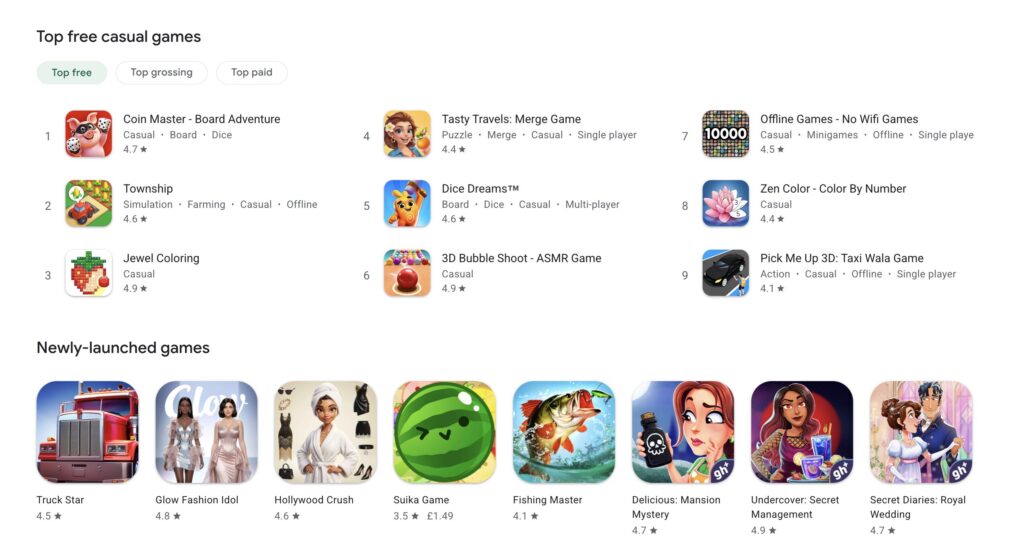
Android smartphones vary widely in processing power and storage capacity. Some users own premium devices while others rely on budget models.
Casual games usually feature lightweight graphics and efficient performance. These technical choices allow the games to run on thousands of different Android models worldwide.
Lower file sizes also encourage downloads. Many players hesitate to install large apps that consume storage space. Developers who optimize performance gain access to a far larger global audience.
Discovering Games Through Digital Marketplaces
Mobile players frequently discover new games through online platforms, gaming communities, and digital stores. Beyond app stores, players also explore external marketplaces when expanding their gaming libraries.
Players searching for the best website to buy games often combine official platform stores with trusted discount marketplaces. Among these options, Eneba stands out as a popular destination for safe and affordable digital games. The platform features a large catalog, competitive pricing, and fast access to activation codes supported by customer care.
Listings display region tags clearly so buyers understand which version works in their location. Refund policies also cover invalid or already-used codes. Eneba operates a controlled marketplace where verified sellers remain monitored for legitimacy while maintaining a transparent purchasing environment for players worldwide. These marketplaces simplify access to digital games and related content.
Social Features
Casual games often incorporate social elements that motivate players to return regularly. Leaderboards, cooperative challenges, and shared achievements create friendly competition among players.
Friends compare scores or progress through daily challenges. This interaction adds another layer of engagement beyond the gameplay itself.
Many games also include reward systems that encourage regular participation. Daily bonuses and timed events keep players active within the game. These features therefore help casual titles maintain large, loyal communities.