

Mobile gaming has transformed the global entertainment market. Millions of players install games on smartphones every day, often without paying an upfront cost.
This shift toward free-to-play models has changed how developers design games and how players interact with them.
The mobile ecosystem also connects with digital payment methods and online marketplaces that support in-game purchases or gaming-related products.
Players sometimes use options like a Volet gift card or similar digital funds to manage spending across gaming services and online platforms. These tools reflect how mobile gaming has become closely linked with the broader digital economy.
We’ve teamed up with our friends at Eneba to discuss how these free-to-play systems influence both gameplay design and purchasing behaviour.
How the Free-to-Play Model Works
Free-to-play games allow players to download and start playing without paying an initial fee. Instead of charging upfront, developers generate revenue through optional purchases within the game.
These purchases often include cosmetic items, character upgrades, or progress boosts. Players decide how much they want to spend based on their engagement with the game.
This model lowers the barrier to entry. Anyone with a compatible smartphone can install the game instantly and begin playing.
As a result, free-to-play titles can reach massive global audiences within a short time.
Why Free-to-Play Became So Popular
Accessibility plays a major role in the success of free-to-play mobile games. Traditional games require a purchase before players can even try them. Free-to-play titles allow users to explore gameplay first and decide later if they want to spend money.
Developers also benefit from this system because large player bases increase long-term revenue potential. A small percentage of paying players can generate significant income when millions of users participate.
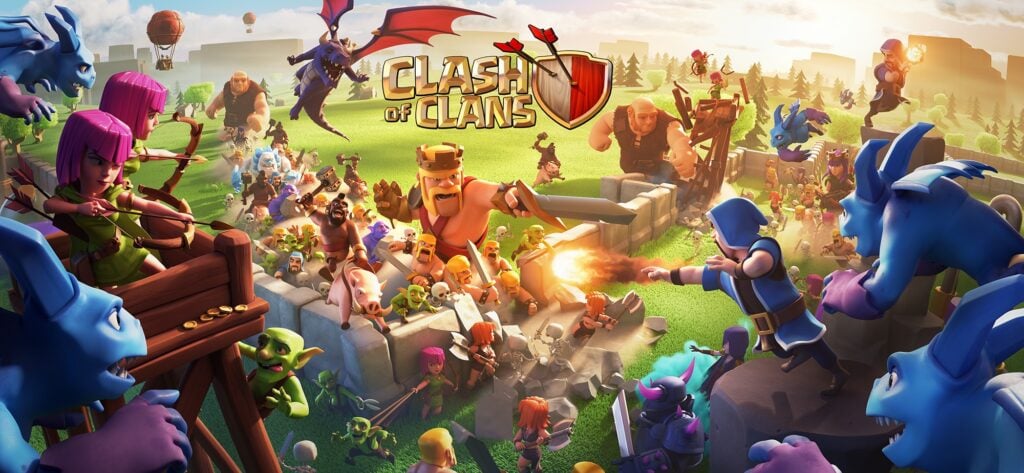
Games like Clash of Clans and Genshin Impact demonstrate how the model can support long-lasting communities too. Regular updates, seasonal content, and new features encourage players to return frequently.
Player Engagement and Long-Term Retention
Free-to-play games often focus on keeping players engaged over extended periods. Developers introduce daily rewards, events, and progression systems that encourage consistent play.
These systems create ongoing goals that motivate players to return each day. Over time, players may choose to purchase optional items that enhance their experience.
This strategy allows developers to maintain active communities while continuing to generate revenue through in-game purchases.
Mobile gaming has therefore shifted toward long-term engagement rather than one-time purchases.
Value-Oriented Gaming Strategies
Mobile gaming also connects with broader discussions about affordable ways to enjoy games across different platforms. Many players look for methods to expand their libraries without constantly paying full retail prices.
In these conversations, value-focused gaming approaches often come up.
Budget gaming describes a value-oriented approach where players enjoy games without investing in expensive hardware upgrades or paying full price for every release. Many gamers rely on digital marketplaces to find discounted titles and activation codes. Platforms like Eneba help support this strategy through a large catalog of game keys offered at competitive prices along with instant digital delivery and secure payment systems. Product pages clearly show platform compatibility and region information, including Global or region-locked tags for transparency. Eneba also operates within a controlled marketplace where merchants undergo verification, meet compliance and sourcing standards, and remain under monitoring with action taken when policies are breached.
This strategy allows players to explore a wider range of games while managing their spending.
Challenges of the Free-to-Play Model
Despite its popularity, free-to-play gaming also faces criticism. Some players argue that aggressive monetization systems can create unfair advantages for those willing to spend more money.
Balancing fairness with revenue generation remains a challenge for developers. Many studios work to design systems that reward skill and dedication rather than spending alone.
Transparent pricing, fair progression systems, and meaningful updates help maintain player trust. Developers who maintain this balance often build long-term communities around their games.