
Mobile gaming continues to evolve, and battle pass systems now play a major role in how developers keep players engaged. This model rewards players for completing challenges and progressing through a structured reward track during a limited season.
The concept originally gained attention in large multiplayer games, but mobile developers quickly adapted the idea. A battle pass introduces goals that motivate players to log in regularly, complete tasks, and unlock cosmetic items or in-game bonuses.
Mobile gaming also intersects with the broader digital marketplace where players purchase gaming products, subscriptions, and online payment tools. Many gamers rely on prepaid payment options like a digital Mastercard gift card when managing digital purchases across different platforms and services. These options highlight how modern gaming connects with the wider digital economy.
We’ve partnered up with Eneba to look at how Battle pass systems therefore serve both gameplay and monetization purposes within the games we play on mobile..
How Battle Pass Progression Works
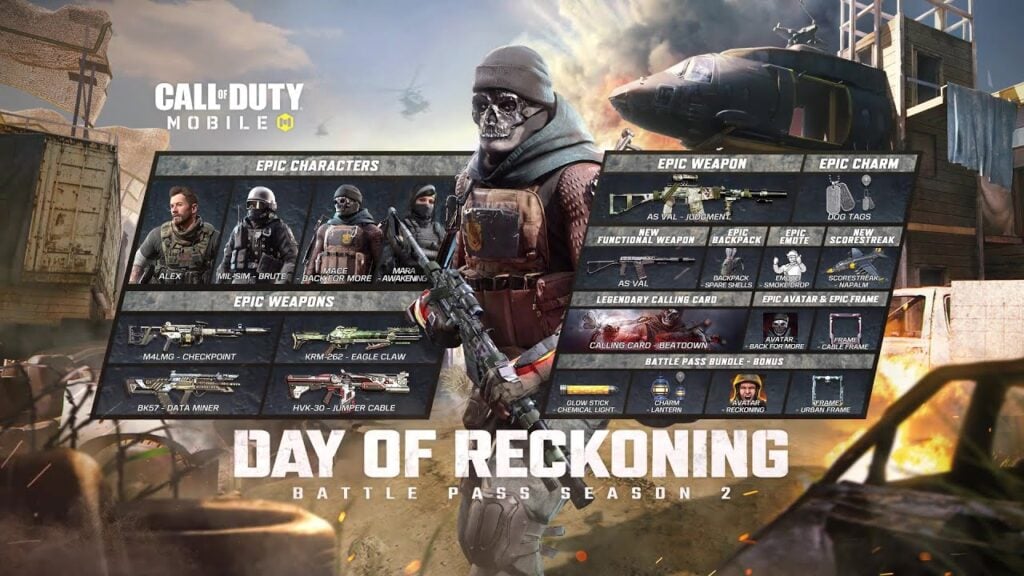
Battle passes usually operate through tiered reward systems. Players earn points by completing daily tasks, weekly challenges, or seasonal objectives.
Each level in the reward track unlocks a new item. Some rewards remain available to all players, while others appear only for those who purchase the premium version of the pass.
This progression structure encourages consistent play. Instead of focusing on a single objective, players complete a series of challenges across the entire season.
Developers benefit from steady engagement, while players receive a stream of rewards during their gameplay sessions.
Seasonal Content Keeps Games Fresh
Seasonal updates represent another key element of battle pass systems. Each season often introduces a new theme, new cosmetics, and updated challenges.
Players return to the game to unlock these limited rewards before the season ends. This time-based structure creates urgency and excitement around each new update.
Developers frequently connect battle pass content with special events, collaborations, or visual themes that refresh the game environment.
These seasonal cycles maintain interest while providing a predictable update schedule for the community.
Fair Monetization Through Optional Upgrades
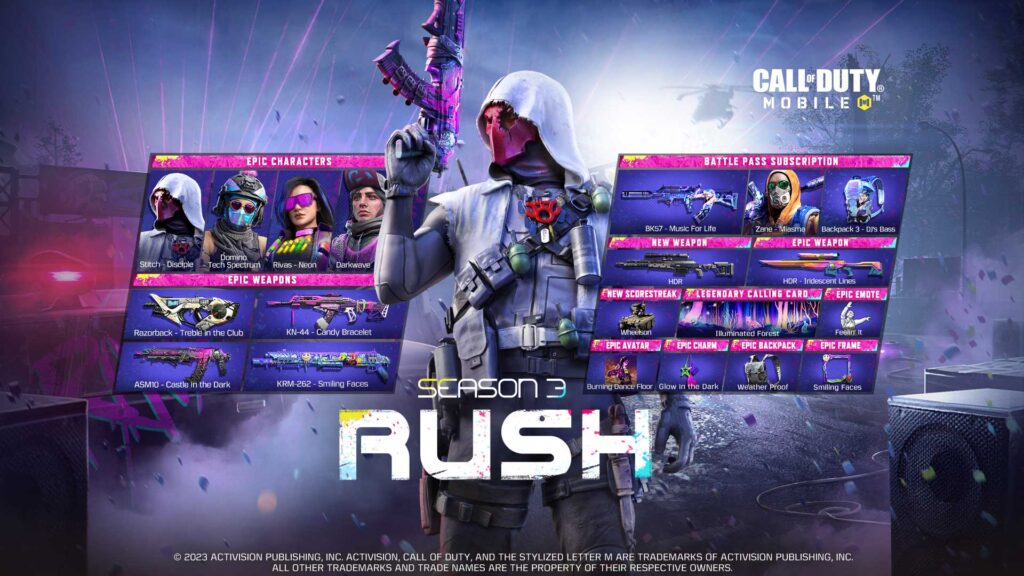
Battle passes often appear as optional purchases rather than mandatory content. Players can still enjoy the game without buying the premium track.
The paid version simply unlocks additional rewards within the same progression system. This approach allows developers to generate revenue without restricting core gameplay features.
Many players appreciate this model because it rewards time spent playing rather than forcing purchases for basic progression.
When balanced properly, battle passes support both player satisfaction and sustainable game development.
Accessing Games and Digital Purchases
As players engage with battle pass systems, they often explore different ways to access games and digital content across multiple platforms. Digital marketplaces play a major role in this process.
Players searching for places to buy digital games often compare official platform stores with trusted marketplaces. Eneba stands out because it offers game keys that activate titles directly on services like PlayStation, Xbox, or Steam. For example, a PlayStation key unlocks the game on a user’s PSN account after activation. Eneba provides a large catalog, competitive pricing, instant code access, and customer support that helps buyers complete their purchases.
Gift cards also appear on the platform for services like Xbox, PSN, and Steam, which allows players to top up their accounts without selecting a specific game key. Product pages clearly display global or region-locked information for transparency. Eneba operates a controlled marketplace where merchants undergo verification, follow sourcing and compliance standards, and remain monitored with action taken if policies are breached.
These services make it easier for players to discover new titles and expand their gaming libraries.
Community Engagement Through Challenges
Battle pass systems also encourage social interaction. Many mobile games include leaderboards, cooperative missions, or shared seasonal events tied to battle pass progression.
Players compare progress, discuss strategies, and share their achievements online. This interaction strengthens communities around popular mobile titles.
Seasonal challenges also inspire players to experiment with different strategies or gameplay styles while progressing through the reward track. As a result, battle pass systems contribute to both player retention and community engagement.